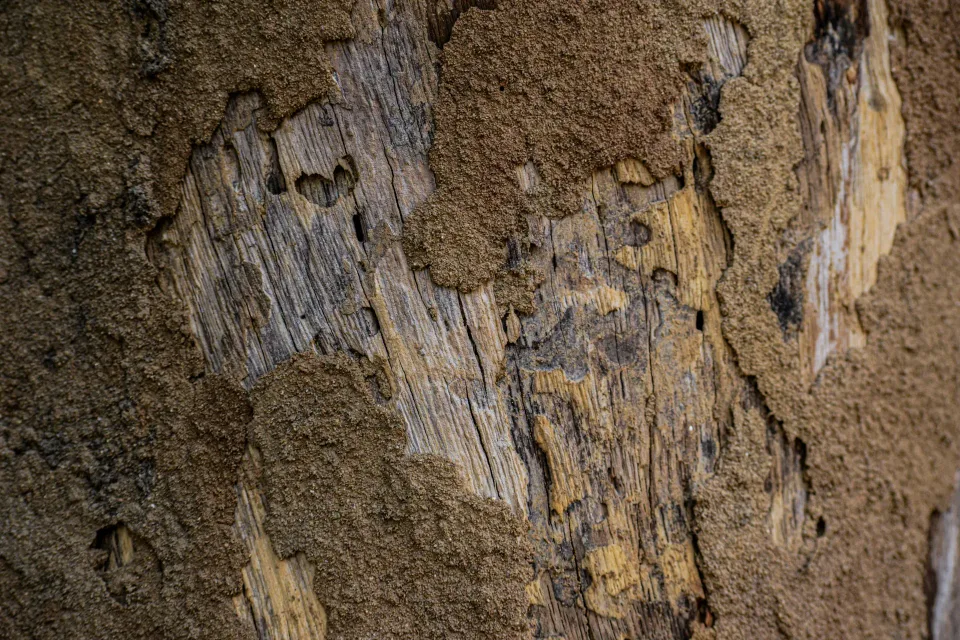
When Do Termite Mud Tubes Need Inspection?
A raised mud line on a basement wall is a reason to arrange an inspection, not to assume the termites are gone if you scrape it away. A tube can be evidence of termite activity, so have the area checked before choosing a treatment. In Rhode Island, humid continental conditions can leave lower levels damp, making a careful look at the basement and nearby wood especially useful.
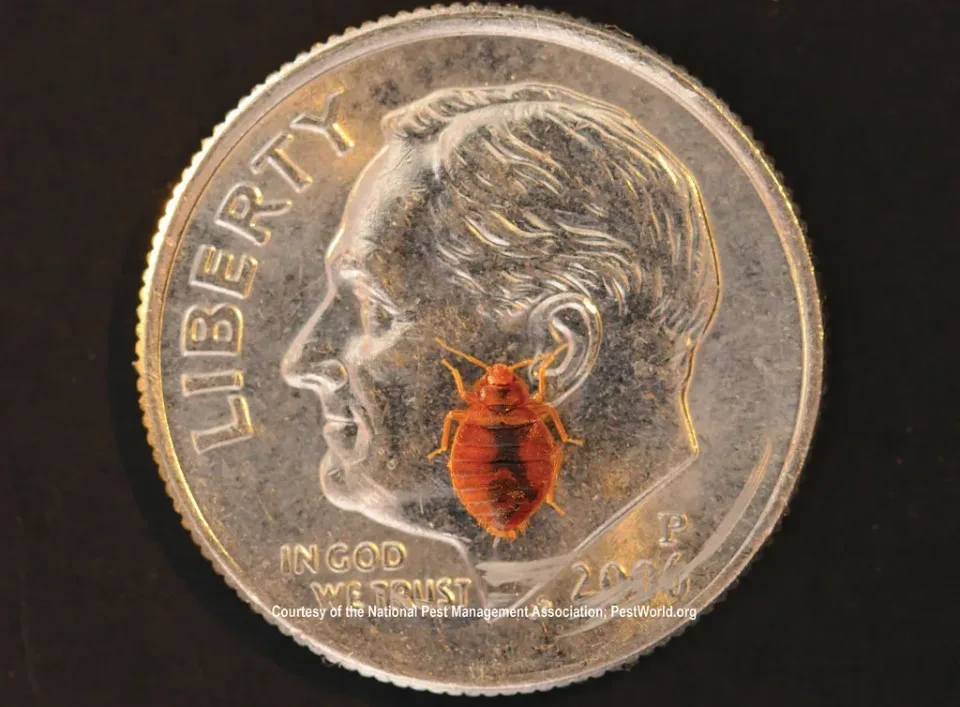
A customer asking for an inspection and a quote for bed bug heat treatment needs a different service assessment; heat treatment is not a termite solution. Likewise, “I need somebody to come out and kill them” signals a wish for immediate action, but the first step is identifying the pest and its route.
Our crew checks the evidence and explains the next step. The University of Rhode Island is a familiar local reference point; nearby homeowners can ask us to inspect rather than rely on a campus-area assumption.
What does a mud tube on a basement wall mean?
A termite mud tube is a covered passage termites use to travel between soil and wood while staying protected. A tube on a basement wall warrants an inspection, even if you do not see insects. An intact tube may be active; a broken or dry-looking one does not establish whether activity has stopped. Avoid treating appearance alone as proof either way.
We inspect the tube, the surrounding foundation, accessible wood, and conditions that may support activity. The Rhode Island State House anchors the capital, but homes across the state vary in age and construction; an inspection must focus on the property itself, not its neighborhood.
Rhode Island School of Design-area buildings can include varied structures, so a visible tube should prompt a site-specific check rather than a generic assumption. Newport Cliff Walk visitors know coastal exposure firsthand; for property owners, the practical move is to document where a tube appears and leave the evidence available for assessment.
Which signs make a call more urgent?
Call for an inspection when you find a mud tube, see one that has been damaged or rebuilt, or notice suspected termite activity near wood. Do not wait for dramatic damage to make the concern worth checking.
A common mistake is to remove every trace before documenting it; that can make it harder to assess the location and condition. Take a clear photograph, note the room and wall, and avoid disturbing the area further.
The Blackstone River Bikeway offers a reminder that Rhode Island properties sit in varied settings; what matters indoors is the specific route between soil, foundation, and wood. At Blithewold Mansion, Gardens & Arboretum, historic features are part of the setting; owners of older properties should have a professional assess visible evidence rather than guess from a building’s age.
We explain what we found and whether treatment planning is warranted. The Termite Inspection service page describes the inspection path.
Should you break or treat the tube yourself?
If the tube is visible, photograph it and arrange an inspection before applying a household pesticide or sealing the area. DIY is appropriate for recording the sign; a professional should assess suspected termite activity and treatment needs. Breaking a tube may show whether it is rebuilt, but it cannot establish the full extent of activity, and disturbing evidence can complicate the inspection.
Our crew checks accessible areas and explains findings in plain language before discussing options. The Cranston Street Armory is a landmark, not a guide to what is inside a nearby home; likewise, one patch of visible tube cannot reveal the condition of every concealed area.
The Termite Treatment information can help you understand the service after an inspection identifies a need. For broader reading, visit the Rhode Island Pest Pros Blog.
How Rhode Island conditions affect the inspection
The humid continental climate with coastal moderation means conditions can differ across the state, so the inspection should account for the particular basement, foundation, and accessible wood. We look for visible evidence and conditions that may help explain where activity could travel, rather than treating a single mark as the whole story.
A useful inspection is specific. We note where the tube begins and ends, what materials are nearby, and whether other signs are present. Then we explain the findings and the practical next step. Do not cover the tube before the visit; keeping the location accessible helps us assess it.
How Do Termite Monitoring Options Compare?
A mud tube calls for an inspection before choosing a control method; monitoring and treatment serve different purposes. The site findings guide the choice. A short comparison can help you understand the distinction, but it does not replace an onsite assessment.
Mild coastal winters can extend tick activity, a separate pest concern that should not be confused with termite evidence. Near Conimicut Point Park, coastal exposure is part of the setting; homeowners should still base termite decisions on what an inspection finds at the property.
| Option | Best for | Key detail |
|---|---|---|
| Termite inspection | Visible mud tubes or suspected activity | Checks accessible evidence before a treatment decision |
| Liquid termite treatment | Subterranean termite treatment when indicated | Creates a soil barrier; treatment scope follows assessment |
| Termite bait-station monitoring | Ongoing termite monitoring | Uses buried outdoor units |
East Greenwich Main Street is a recognizable local destination, but distance from it does not determine treatment. Nor’easters can bring wind-driven rain and flooding, so keep the inspection area accessible after storms.
How Should You Prepare for a Tube Inspection?
Preparation helps the inspector see the evidence clearly. Heavy rainfall can displace rodents into buildings, a separate concern that may also lead homeowners to notice activity; tell the inspector which signs you have actually found so termite evidence is not confused with another pest issue.
Around Pawtucket-Central Falls Transit Center, busy travel routes do not change the inspection steps, but a clear appointment plan helps you be there to point out the location. Summer heat can drive ants indoors for food; note any separate insect signs rather than assuming they explain a mud tube.
At Colt State Park, outdoor conditions are part of the landscape; at home, concentrate on access and accurate observations.
-
Record the location: Photograph the tube and note the room or foundation wall where you saw it.
-
Keep the evidence visible: Do not scrape off or cover the tube before the inspection.
-
Clear the route: Move stored items enough to provide access to the basement wall and nearby areas.
-
Share the history: Tell us when you first noticed the tube and whether its appearance has changed.
-
Ask about findings: Request a plain explanation of the evidence and any recommended next step.
Should You Call About Termite Mud Tubes Now?
If you have found a mud tube on a basement wall, arrange an inspection before trying to treat or conceal it. Freeze-thaw cycles can open foundation cracks, so note any visible opening near the tube and point it out during the visit.
Leaf litter and damp mulch can provide habitat for ticks and insects; keeping those observations separate helps describe the termite concern clearly. Coastal storms also matter to property owners near Naval Station Newport, where wind and water exposure can complicate exterior conditions.
No need to guess. Rhode Island Pest Pros has served Rhode Island for more than 11 years, with careful inspections and clear findings.
Request an assessment through our Termite Inspection service, and tell us where you saw the tube.