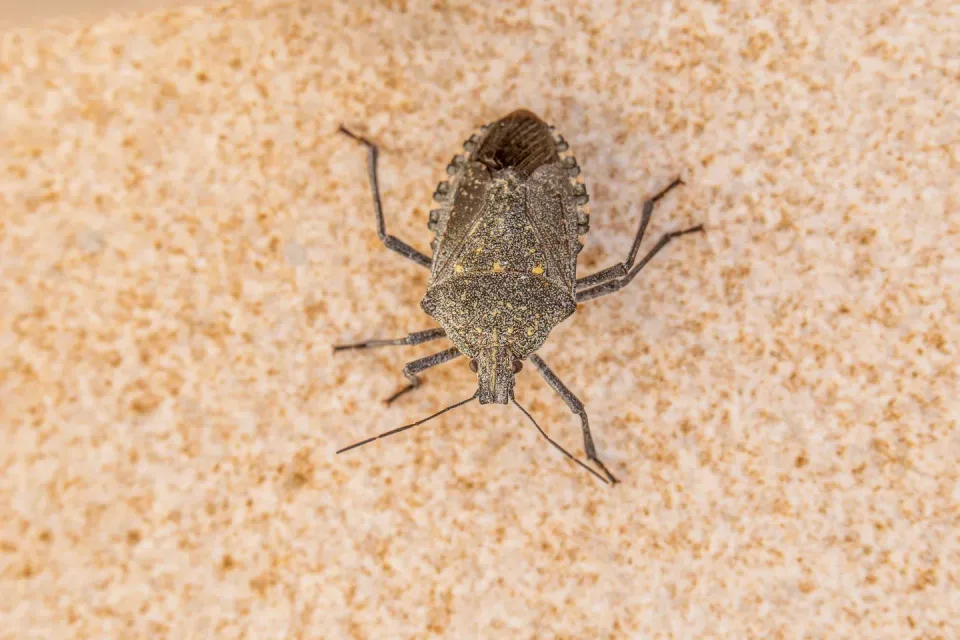
What Should You Check After Bed Bug Bites Overnight?
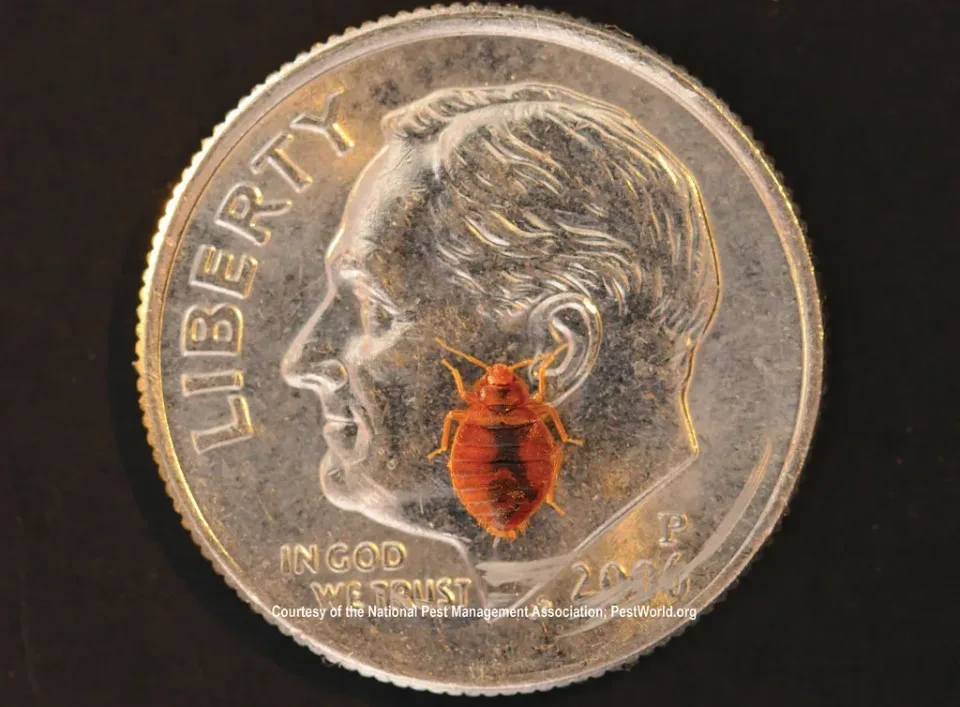
Bites after overnight sleep are a reason to inspect the bed, but they do not confirm bed bugs on their own. Check mattress seams, the bed frame, and nearby furniture for live insects, shed skins, or dark spotting before applying anything. A few bites can have other causes, so look for physical evidence.
In Rhode Island, rainwater left in containers after storms can support mosquito breeding; check for standing water too, since mosquitoes may be the source of overnight bites. The Blackstone River Bikeway is a familiar outdoor route, but time outside does not establish what caused a mark.
Near Blithewold Mansion, Gardens & Arboretum, as elsewhere, note when bites appeared and whether there are signs around the sleeping area. We can inspect those findings before recommending treatment.
What signs should you look for around the bed?
Look for evidence in hiding places before treating the room. Use a flashlight to inspect mattress piping, seams, the headboard, bed-frame joints, and the edges of nearby furniture. A small speck alone is not a diagnosis; check whether you find multiple signs in protected areas, such as shed skins, live insects, or dark marks on fabric.
Keep any insect you find in a sealed container or take a clear photo for identification. Do not move bedding or furniture into another room, since that can spread the problem.
In our field work, people often inspect the mattress surface but miss screw holes and joints on the frame. Those tight spots matter.
Can bites alone confirm bed bugs?
No, bites alone cannot identify the insect responsible. Skin reactions differ from person to person, and marks may appear after a delay. Compare the timing with when you slept in the room, but do not use a bite pattern as proof.
At the Cranston Street Armory, a busy public place is not evidence of an infestation at home; likewise, time spent near Federal Hill does not identify the source of a skin reaction. Focus on what you can verify in the bedroom and save notes about when marks appeared.
Freeze-thaw cycles can open cracks around foundations, but that is not a bed bug clue and should not be confused with evidence around a bed. If you find insects or repeated signs, ask for an inspection rather than spraying blindly.
When is DIY inspection enough, and when should you call?
A careful visual check is a useful first move when you have a few marks and no physical evidence. Wash and dry bedding according to its care label, then inspect the bed and surrounding furniture; avoid carrying unbagged linens through the home.
If you find a suspected insect, repeated spotting, or evidence in more than one room, stop experimenting with store-bought products and seek professional identification. At Garden City Center, shopping does not prove a bed bug exposure, and travel alone is not a diagnosis.
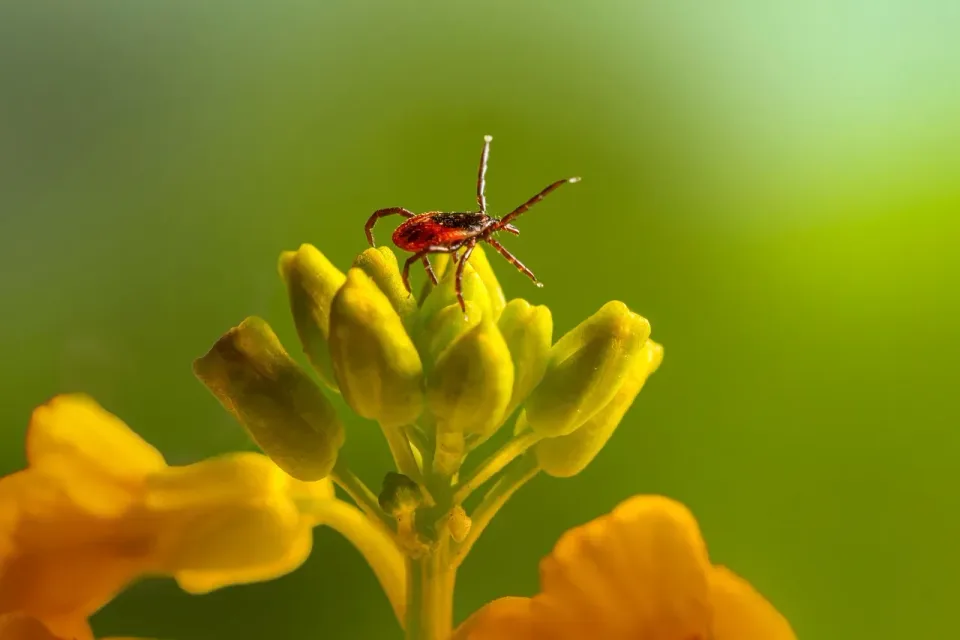
Leaf litter and damp mulch can shelter ticks and other insects outdoors, so keep outdoor bites separate from bedroom evidence. Hurricanes and tropical storms can damage coastal properties, but do not treat storm damage as evidence of bed bugs. Our crew documents what we find and explains the treatment options before work begins.
What should you expect from a professional inspection?
A sound inspection checks the suspected sleeping area and nearby furniture, then records findings before a treatment plan is chosen. Tell the inspector which rooms are affected, when bites appeared, and whether you found a specimen; those details help narrow the search.
A bed bug treatment inspection should be based on evidence and the property, not a guess from skin marks. When working near Naval Station Newport, our process is the same as elsewhere in Rhode Island: explain the findings plainly and tailor the plan to the home.
A coastal property near Colt State Park still needs an indoor inspection; its location cannot confirm the pest. We note the treated areas and explain any preparation or follow-up needed.
Which Bed Bug Check Is Most Useful After Bites?
If you woke with itchy marks but have not found an insect, start with an inspection rather than choosing a treatment method by guesswork. These options apply at different stages.
| Option | Best for | Key detail |
|---|---|---|
| Visual bed and frame check | Initial evidence gathering | Inspect seams, joints, and nearby furniture |
| Specimen photo or container | Identifying a suspected insect | Keep the sample contained; do not handle it unnecessarily |
| Professional inspection | Repeated signs or uncertain identification | Findings help determine whether treatment is appropriate |
| Heat treatment | Confirmed infestation when suitable for the site | Whole-room heating requires preparation and professional planning |
| Chemical treatment | Confirmed infestation needing targeted application | Residual products are applied according to the product label |
Inland communities often experience sharper winter temperature swings, which can affect how residents use bedrooms and heat their homes, but temperature shifts do not diagnose bed bugs. Conimicut Point Park and Jamestown Windmill are local landmarks, not indicators of an indoor infestation.
The Museum of Work and Culture is another Rhode Island destination; travel history can inform an inspection, but physical evidence in the home remains the useful check. Ask what will be inspected and what preparation is required.
Prepare the Bedroom for a Bed Bug Inspection
-
Record the signs: Note when bites appeared, which room was involved, and where you saw any suspected insect or spotting.
-
Keep evidence contained: Photograph a possible insect or place it in a sealed container instead of carrying it loose through the home.
-
Leave the room in place: Do not shift the mattress, furniture, or bedding into another room before inspection.
-
Make access possible: Clear the bed frame and nearby furniture enough for the inspector to check seams, joints, and concealed edges.
-
Share the timeline: Mention recent overnight stays or travel, including visits connected with Brown University or Fort Adams State Park, as context not proof of an infestation.
-
Plan for Rhode Island weather: Cold winters bring pipe-freeze and rodent-entry concerns, so keep access to pipes and utility areas safe while preparing the bedroom; those concerns are separate from bed bug evidence.
-
Ask about next steps: Before treatment, confirm what areas need preparation and follow the product-label re-entry instructions supplied for the specific service.
Get Clear Answers About Bed Bug Bites
Bites can prompt a check, but inspection evidence should guide treatment. Photograph marks and suspected insects, keep items from spreading between rooms, and note when the problem began. Spring rain can raise basement and crawlspace moisture, which is a separate home condition not proof of bed bugs.
Warm, humid summers increase mosquito activity, so consider whether outdoor exposure could explain bites before assuming a bedroom infestation. If you are near Narragansett Town Beach or Ninigret National Wildlife Refuge, your outdoor plans still do not establish the source of skin marks.
Nor’easters can bring wind-driven rain and flooding; after severe weather, focus on safe access to the home and a clear inspection. For a calm evaluation, contact Rhode Island Pest Pros at (855) 681-0299 or review our bed bug treatment service.