Can Kitchen Ant Trails Be Solved Without Extermination?
Ant trails crossing kitchen counters can often be cleaned up with soap and water, but a trail that returns after food and spills are removed may point to a colony that needs targeted treatment. Start by wiping the route, sealing food, and checking where ants enter. Don’t spray blindly.
A useful check is whether the trail reappears in the same place over the next few days. Rhode Island’s Blithewold Mansion, Gardens & Arboretum reminds us that landscaped grounds can bring people close to plants and outdoor insect activity; at home, trim vegetation away from entry points.
Near Colt State Park, coastal outings may mean food crumbs come home in bags or coolers, so inspect them before storing. The Cranston Street Armory’s large historic structure also shows why older buildings can have many gaps; we look for the actual route before recommending professional ant extermination.
Why do counter trails keep coming back?
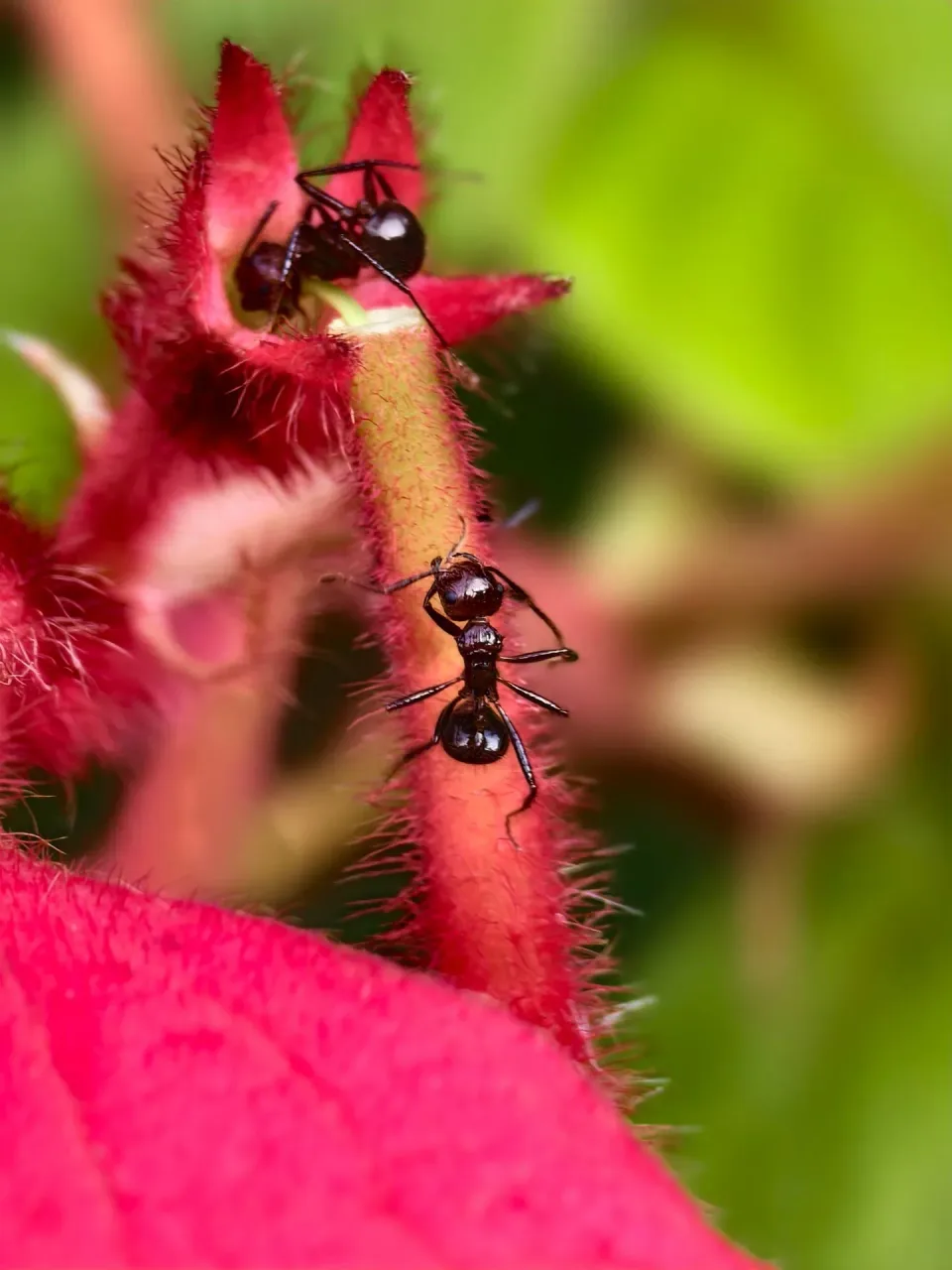
A line of ants usually marks a route between food or water and a nest. Wiping the visible trail helps, but leaving a sticky jar rim, crumbs under an appliance, or an unsealed pet-food bag can draw workers back.
Follow the trail in both directions; check cabinet corners, plumbing penetrations, window trim, and the backsplash seam. The detail homeowners often skip is the underside of the counter lip, where a narrow route may continue out of sight.
Rhode Island’s humid continental climate with coastal moderation brings seasonal shifts that can change indoor pest pressure. During warm, humid summers, keep sweet foods sealed and dry wet counter edges promptly; food and moisture make a kitchen more inviting. We start with the trail and likely entry points, then explain whether cleanup, exclusion, or a targeted treatment fits what we find.
When is DIY cleanup enough?
If ants disappear after you remove food residue, clean the route, and close an obvious gap, monitor before applying pesticide. A damp cloth with ordinary household cleaner can remove scent marks; rinse food-contact surfaces afterward and follow cleaner-label directions.
Store dry goods in closed containers, wipe syrup and juice promptly, and take out rubbish with food scraps. Do not combine cleaning products or apply pesticide where food is prepared.
A single brief trail with no repeat activity is often reasonable to handle yourself. But spraying the visible workers can miss the nest and may scatter activity, making it harder to tell whether the source remains.
We see this often: the counter gets sprayed, while a gap behind the cabinet stays open. For other household warning signs, our guide to mouse droppings beneath the kitchen sink explains why checking the hidden area matters.
What clues mean it is time to call a pro?
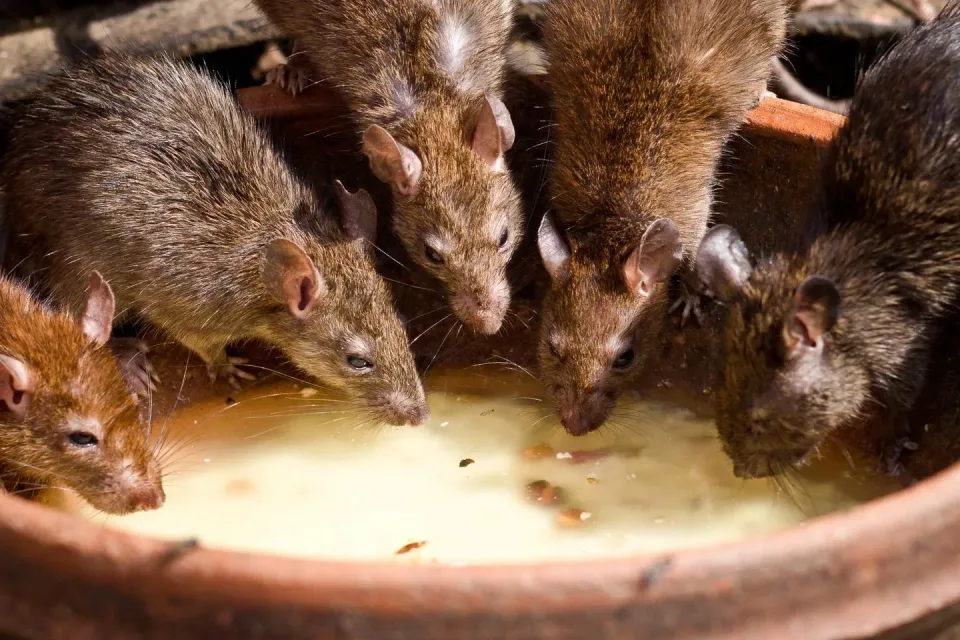
Repeated trails, ants appearing in multiple rooms, or activity that persists after careful cleanup are good reasons to request an inspection. Heavy rainfall can displace rodents into buildings, another reminder that weather can shift pest activity indoors; if you also see droppings or damaged packaging, note those separately and describe them when scheduling. They may indicate a different pest and need a separate assessment.
Cold winters bring pipe-freeze and rodent-entry concerns, so avoid confusing unrelated winter signs with an ant problem; record where and when ants appear instead. A professional inspection can trace the route, identify likely nesting areas, and recommend a focused plan rather than treating every surface.
Rhode Island Pest Pros has served Rhode Island for 11+ years; our crew explains findings plainly and bases recommendations on the property. Read about our approach to Ant Extermination.
What does a professional ant visit involve?
We inspect where the trail begins and ends, look for food, moisture, and access gaps, and confirm the activity before choosing a method. Integrated Pest Management (IPM) starts with that inspection and practical prevention; treatment is selected only when it fits the findings. Estimates vary by infestation, property conditions, treatment method, and access; final quotes depend on an onsite scope assessment.
If treatment is appropriate, we explain the product and placement, protect food-preparation areas, and give clear directions for any re-entry interval. We also identify steps that can prevent a repeat, such as closing a gap or correcting a persistent food source. Ask what area will be treated and what follow-up is recommended. A clear scope matters.
Which Kitchen Ant Trail Option Fits the Problem?
For a short-lived trail, start with cleanup and monitoring; repeated activity may call for a targeted professional plan. The right choice depends on whether ants return and whether the route or nest can be identified.
| Option | Best for | Key detail |
|---|---|---|
| DIY cleanup and monitoring | A brief trail linked to visible food | Clean the route and check whether activity returns. |
| Crack-and-crevice treatment | Activity traced to a narrow seam | Targeted placement avoids treating broad food-preparation surfaces. |
|---|---|---|
| Exclusion | A confirmed entry gap | Close the route after identifying where ants enter. |
At Brown University, busy food routines in nearby kitchens are a practical reminder to keep snacks sealed and crumbs cleaned up. Federal Hill dining and food shopping can bring packaged goods home, so inspect bags for spills before putting them away.
Garden City Center’s landscaped areas also make it sensible to check what enters with shopping or outdoor items. For coastal homes, hurricanes and tropical storms threaten properties with wind and water; check that food remains sealed after cleanup rather than leaving supplies exposed during a disruption. Choose treatment based on the trail you can confirm.
How Do You Check a Kitchen Ant Trail Before Treatment?
Ants are crossing the counter beside a sugar jar, but you cannot see where they go. First remove the food source and observe the route without spraying; then record what returns and where it appears. Keep the notes simple.
-
Identify the activity: Note the time, location, and whether ants appear at the sink, pantry, or a counter seam.
-
Remove food and dishes: Clear the treatment area and store food in closed containers before any service visit.
-
Prepare access: Move items away from cabinet edges and baseboards so the route can be inspected.
-
Secure pets: Keep pets away during any application and follow the product-label re-entry instructions.
-
Ask about the plan: Confirm the target area, product information, and any follow-up recommendation.
Freeze-thaw cycles open cracks around foundations, so if ants seem to enter from an exterior wall, point out that location for inspection rather than sealing blindly. At Jamestown Windmill, exposed coastal surroundings make it easy to picture how weather can affect a property; after a nor’easter, wind-driven rain and flooding may also change where you notice moisture indoors.
Ninigret National Wildlife Refuge is a reminder that outdoor habitat belongs outside the kitchen; tell the technician about nearby vegetation or damp areas. Ask what findings support the proposed treatment.
Should You Call for Help With Kitchen Ant Trails?
A short trail may stop with careful cleaning and food storage. If ants return, spread, or keep appearing at the same entry point, an inspection can identify whether targeted treatment is warranted.
Waterplace Park’s busy public setting is a good reminder that food travels; at home, wipe containers and bags before placing them on counters. Near Point Judith Lighthouse, coastal properties may experience winter weather that makes outdoor equipment harder to access, so ask how any exterior placement will be checked.
The Warren Waterfront Historic District offers a reminder that older buildings can have varied entry points, making a careful inspection more useful than a broad spray. For a calm next step, contact Rhode Island Pest Pros to discuss the trail and arrange an onsite assessment. See our Ant Extermination service.